
Gulliver's Voyage to Brobdingnag
Gulliver's TravelsLemuel Gulliver's second voyage, where he is captured by a giant farmer, displayed for money, and eventually rescued by an English ship.
increasing Bearing strength in each event
 decreasing
Bearing strength in each eventdecreasingThe Storm and the Giant Land
The Second Voyage Begins
The Storm at Sea
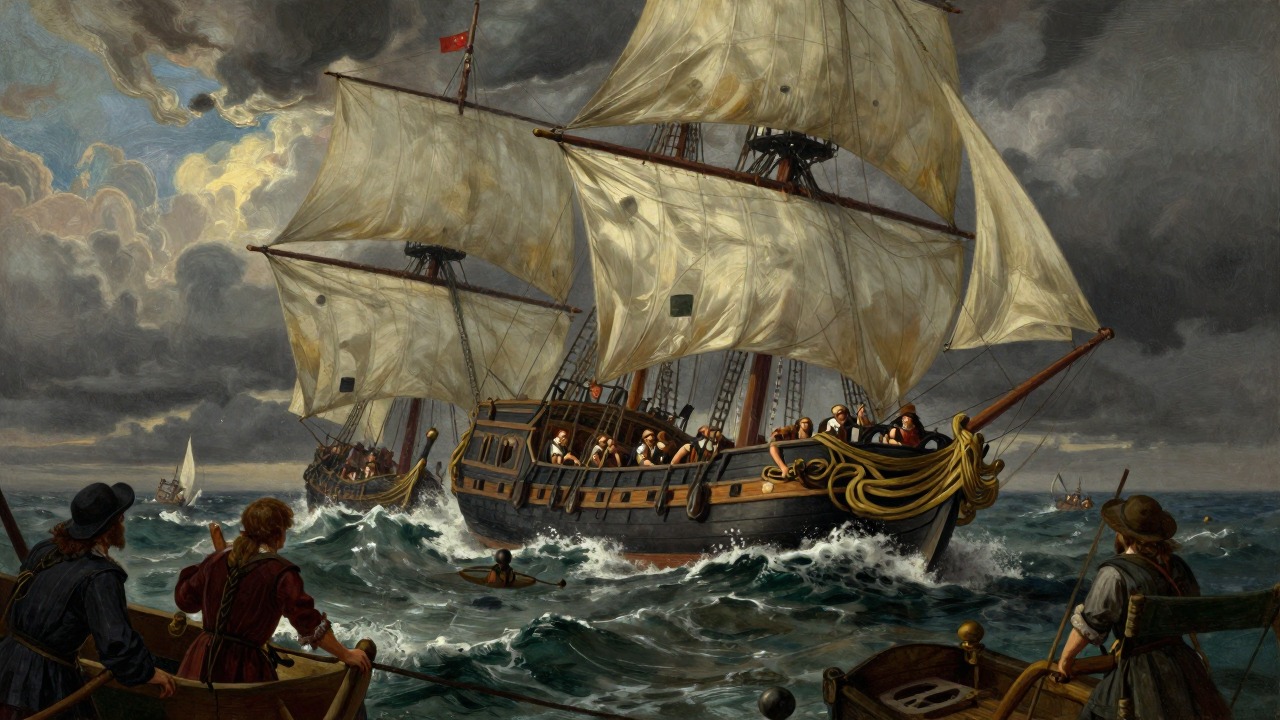
Gulliver leaves England on June 20, 1702, aboard the Adventure, bound for Surat. After a stop at the Cape of Good Hope, they sail northward. On April 19, 1703, a violent storm strikes, driving the ship eastward for twenty days. The crew loses their bearings, and provisions hold out, but water becomes scarce. On June 16, a boy discovers land, and they anchor near a creek.
The Landing Party
Gulliver joins a dozen men sent ashore in the longboat to find fresh water. He walks alone inland, finding barren country. Returning toward the creek, he sees a huge creature wading after the boat, forcing the men to row for their lives. Gulliver runs inland, climbs a steep hill, and sees a fully cultivated country with grass twenty feet high. He is terrified and realizes he is in a land of giants.
The Desperate Search for Shelter
Gulliver follows a high road through a field of barley, where the corn rises forty feet. He tries to find a gap in the hedge but encounters a giant reaper. He hides in the corn but is discovered. The giant picks him up and examines him, then carries him to his master, a substantial farmer. This moment marks the beginning of Gulliver's captivity in Brobdingnag.
Life with the Farmer
The Farmer's Household
The First Night
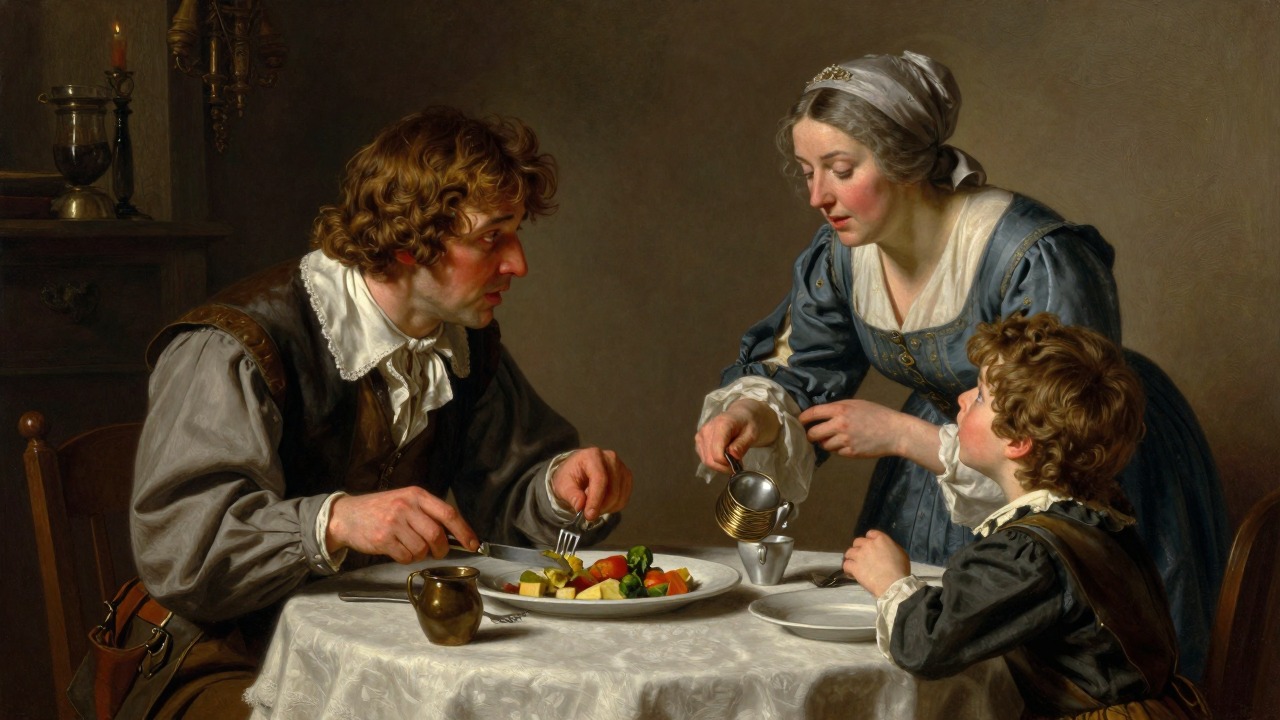
The farmer's wife is initially frightened but soon becomes tender toward Gulliver. He is placed on a table for dinner, where he eats with a knife and fork, drinks from a thimble, and performs tricks. The farmer's youngest son nearly drops him, but Gulliver kisses his hand to show forgiveness. The family cat and dogs prove terrifying but harmless.
The Rat Attack
After dinner, Gulliver is put to bed in a handkerchief. Two rats, as large as mastiffs, attack him. He draws his hanger and kills one, wounding the other. This battle exhausts him, but he survives. The farmer's daughter, Glumdalclitch, becomes his nurse and teacher, sewing him clothes and teaching him the language. She names him Grildrig.
The Exhibition Begins
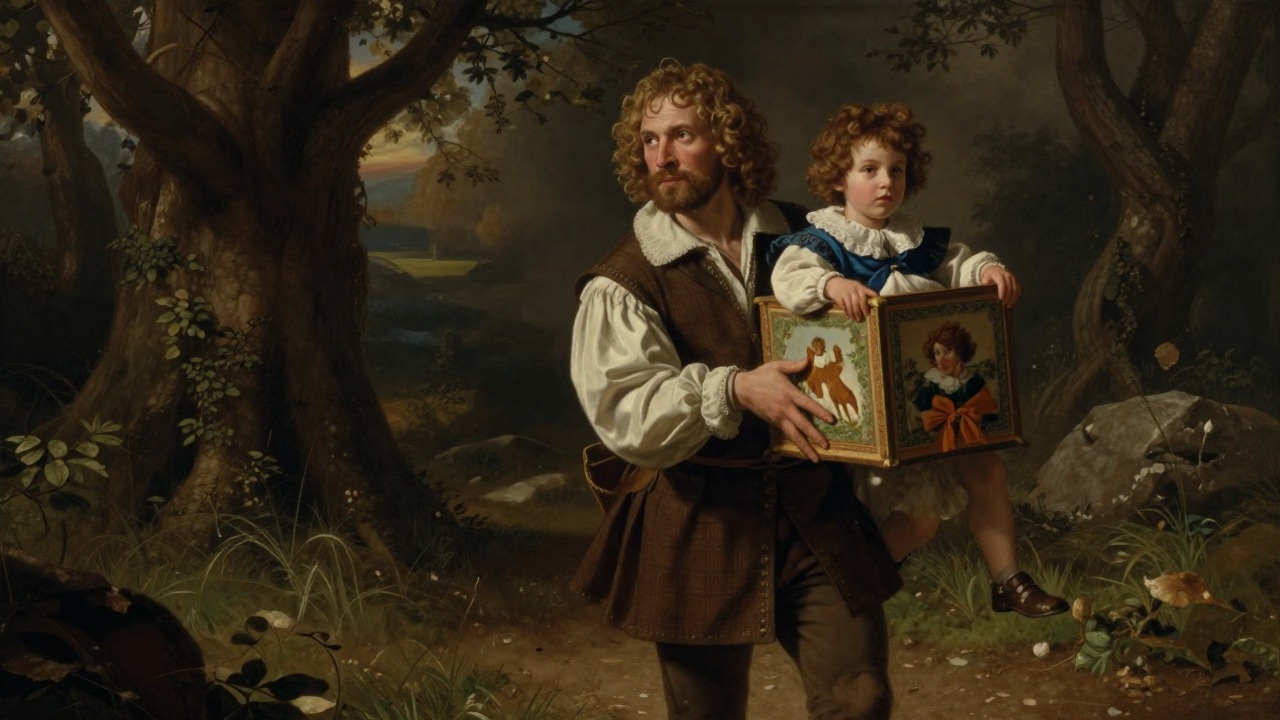
Word spreads of the strange creature. A miserly neighbor advises the farmer to show Gulliver for money at the next market-town. Glumdalclitch is distressed, but Gulliver accepts the ignominy, hoping for eventual freedom. The farmer carries him in a box to the market, where he performs tricks for thirty people at a time. He is shown twelve times that day, nearly dead with weariness.
Journey to Lorbrulgrud
The Long Tour
The Decision to Tour the Kingdom
Finding Gulliver profitable, the farmer resolves to carry him to the metropolises. He settles his affairs and, on August 17, 1703, sets out for Lorbrulgrud, three thousand miles distant. Glumdalclitch rides behind him, carrying Gulliver in a box on her lap. They make easy journeys, stopping at towns and villages along the way, showing Gulliver for money.
The Ten-Week Journey
Gulliver is shown in eighteen large towns, besides many villages and private families. He grows weary but learns the language better from Glumdalclitch, who teaches him from a child's book. They pass over rivers broader than the Nile, and the countryside is vast. On October 26, they arrive at Lorbrulgrud, the metropolis.
The Exhibition in the Capital
The farmer hires a large room near the palace and puts out bills describing Gulliver. He is shown ten times a day to the wonder of the people. His health deteriorates from the constant drudgery, and the farmer, fearing his death, decides to sell him quickly. A gentleman-usher from court arrives, commanding the farmer to bring Gulliver to the queen.
Sale to the Queen
The Queen's Acquisition
The Royal Audience
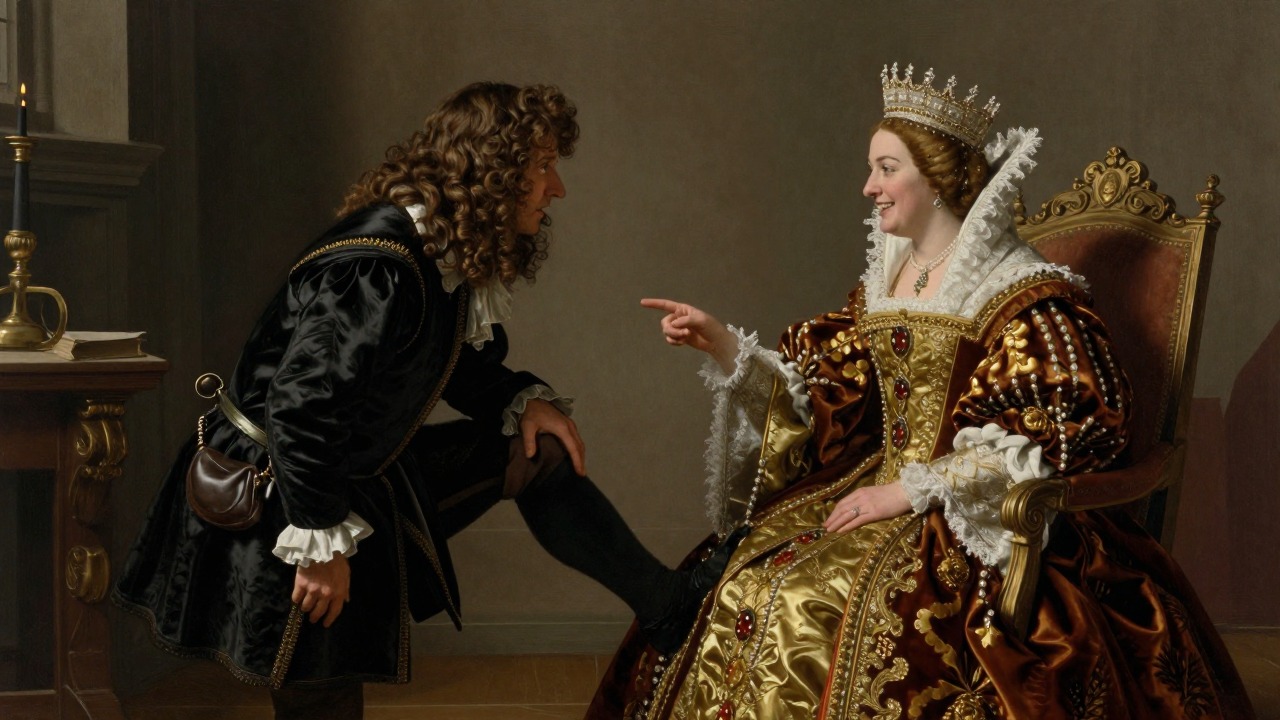
Gulliver is taken to the queen, who is delighted with his demeanor. He begs to kiss her foot, but she offers her little finger. She asks if he would like to live at court, and he replies that he is his master's slave. The farmer, eager to sell, demands a thousand pieces of gold, which is paid. Gulliver requests that Glumdalclitch be allowed to stay as his nurse, and the queen agrees.
The King's Skepticism
The queen carries Gulliver to the king, who at first thinks he is a Splacnuck or a piece of clockwork. But when Gulliver speaks rationally, the king is astonished. He sends for three great scholars who examine Gulliver and conclude he is a lusus naturae, a freak of nature. Gulliver insists he comes from a country of people his own size, but the scholars dismiss his story. The king, however, interviews the farmer and Glumdalclitch and begins to believe.
A New Life at Court
The queen orders a cabinet-maker to build Gulliver a wooden chamber sixteen feet square, with furniture. Glumdalclitch is given her own apartment and a governess. Gulliver becomes a favorite of the queen, dining with her daily and entertaining the court. He also receives a new set of clothes and a traveling box for journeys.
Court Life and Adventures
The Humiliations and Escapes
The Dwarf's Antics
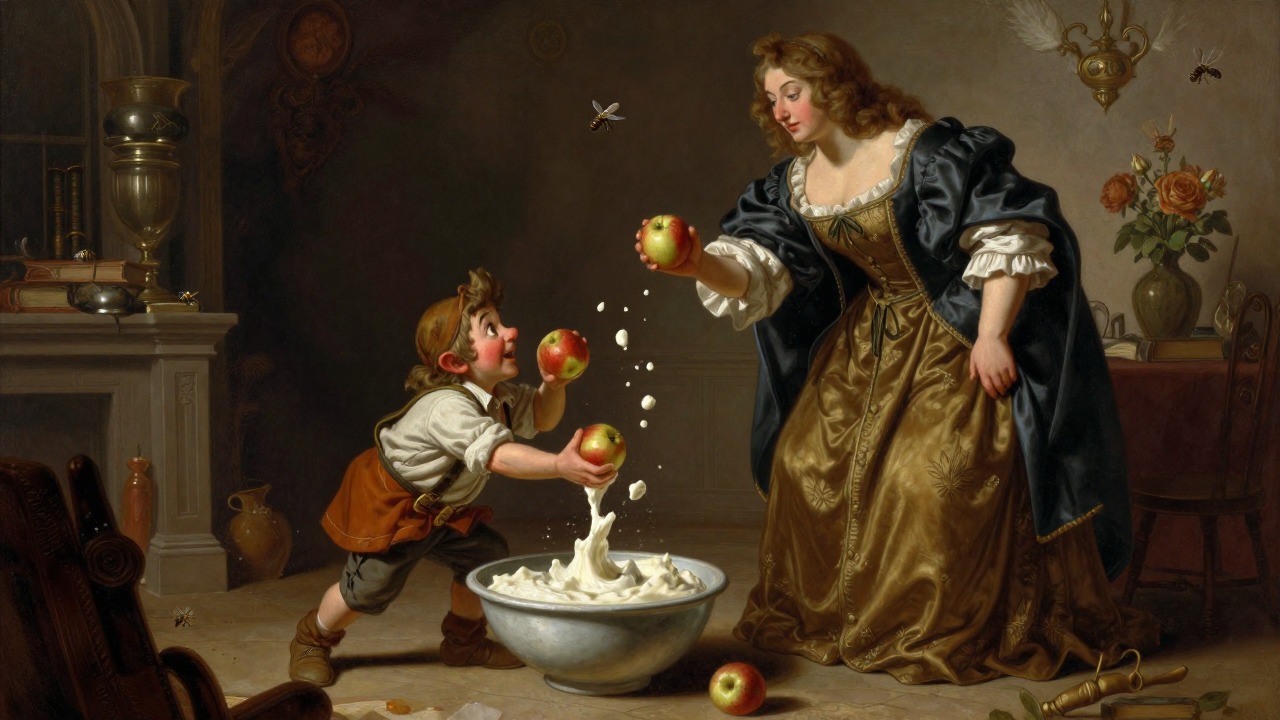
Gulliver suffers from the malice of the queen's dwarf, who is thirty feet tall. The dwarf drops him into a bowl of cream, shakes apples onto him, and throws wasps at him. Gulliver retaliates with wit but is often humiliated. The dwarf is eventually whipped and banished from court.
The Monkey Incident
One day, a monkey from the kitchen enters Gulliver's room, grabs him, and carries him to the roof. The monkey holds him like a baby while hundreds of people watch. Gulliver is rescued by a footman, suffering bruises and a two-week recovery. The monkey is killed. The king teases him about this adventure, and Gulliver boasts that he would have used his hanger, but the court laughs at him.
Other Misadventures
Gulliver is battered by a hailstorm, picked up by a dog, and nearly eaten by a kite. He also falls into a molehill and breaks his shin against a snail shell. The smaller birds have no fear of him, and he manages to kill a linnet that is as large as a swan. Despite these dangers, he enjoys moments of pleasure, such as rowing a boat in a wooden trough and playing the spinet for the king and queen.
Discourses with the King
The King's Interrogation
Gulliver's Praise of England
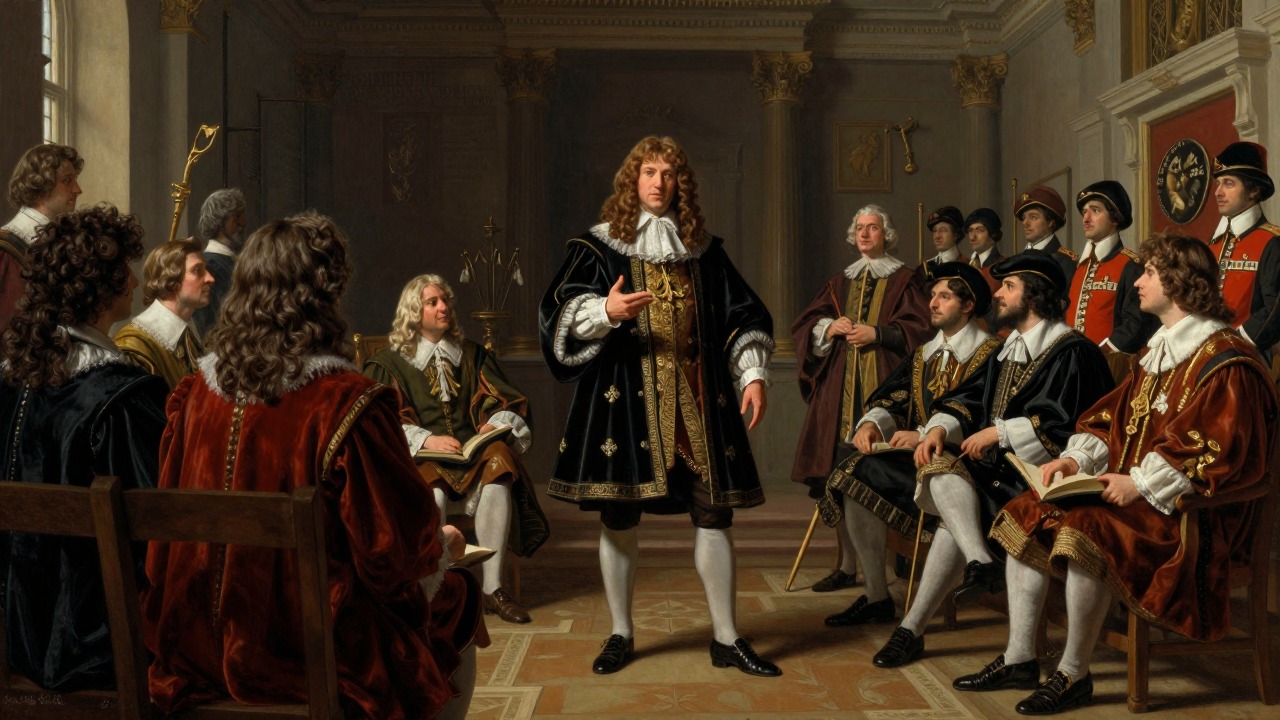
Gulliver, eager to honor his country, gives the king a detailed account of the English government, parliament, courts, treasury, and military. He boasts of the House of Lords, the House of Commons, the bishops, the judges, and the army. He also recounts England's history over the past century, emphasizing its glory.
The King's Questions
The king, after taking notes, asks numerous critical questions: about the education of nobles, the selection of lords, the corruption in elections, the influence of money in justice, the cost of wars, and the necessity of a standing army. He exposes the flaws in Gulliver's panegyric, pointing out the prevalence of avarice, faction, hypocrisy, and cruelty in English history.
The King's Verdict
After several audiences, the king recapitulates and delivers his famous judgment: he concludes that the English are "the most pernicious race of little odious vermin that nature ever suffered to crawl upon the surface of the earth." Gulliver is mortified but cannot contradict the truth. He reflects on the king's narrow principles, but inwardly he is wounded.
The Gunpowder Proposal and Its Rejection
A Terrible Offer
The Secret of Gunpowder
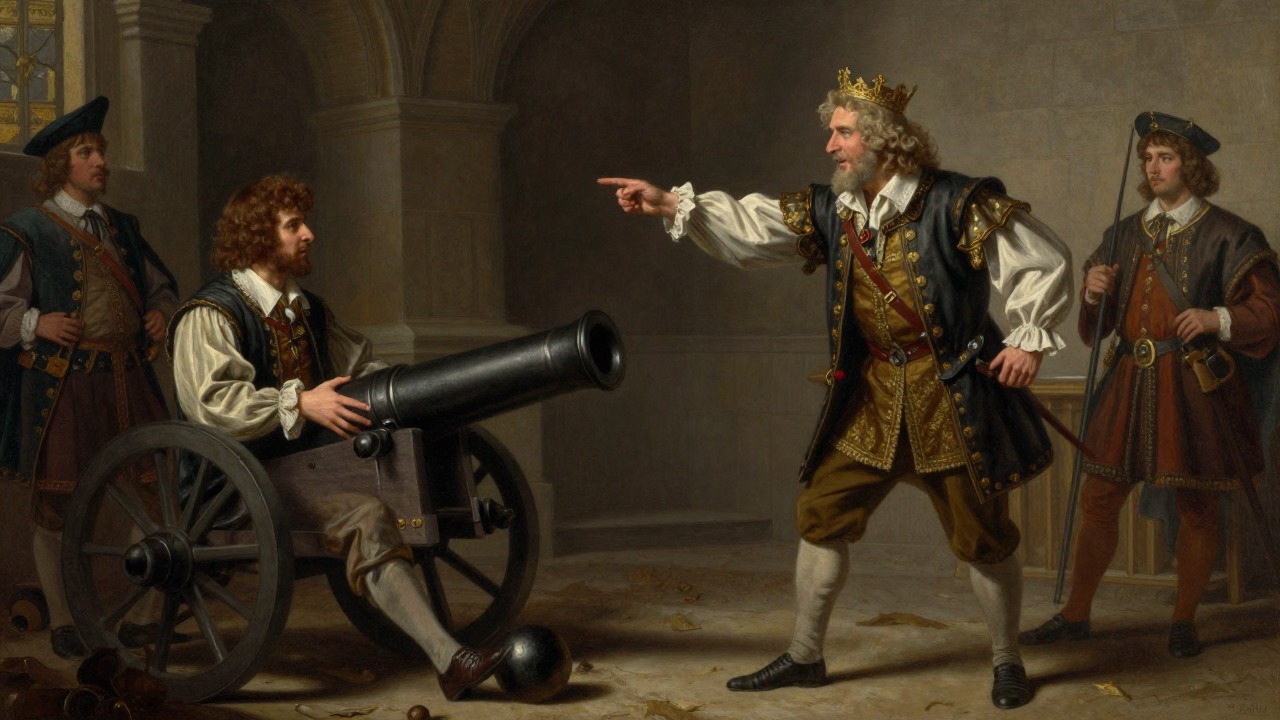
Hoping to ingratiate himself further, Gulliver tells the king about the invention of gunpowder, explaining how it can be used to destroy armies, cities, and ships. He offers to show the king how to make cannons and bombs, believing that this would make the king absolute master of his people. He expects gratitude.
The King's Horror
To Gulliver's astonishment, the king is struck with horror. He calls Gulliver an impotent, grovelling insect for entertaining such inhuman ideas. He declares that he would rather lose half his kingdom than be privy to such a secret. He commands Gulliver never to mention it again.
The Moral of the Story
Gulliver criticizes the king's narrow principles, claiming that the king has missed an opportunity to become absolute monarch. He attributes this to the king's ignorance of politics, which he considers a science in Europe. But the reader may see the king's reaction as a sign of moral goodness, contrasting with European corruption. This episode deepens the theme of the corruption of power.
Escape from Brobdingnag
The Eagle's Flight
The Progress to the Coast
After two years in Brobdingnag, Gulliver accompanies the king and queen on a progress to the south coast. Glumdalclitch falls ill, and Gulliver, longing to see the ocean, convinces a page to take him to the shore in his traveling box. The page sets him down and goes to look for birds' eggs, leaving Gulliver alone.
The Eagle's Capture
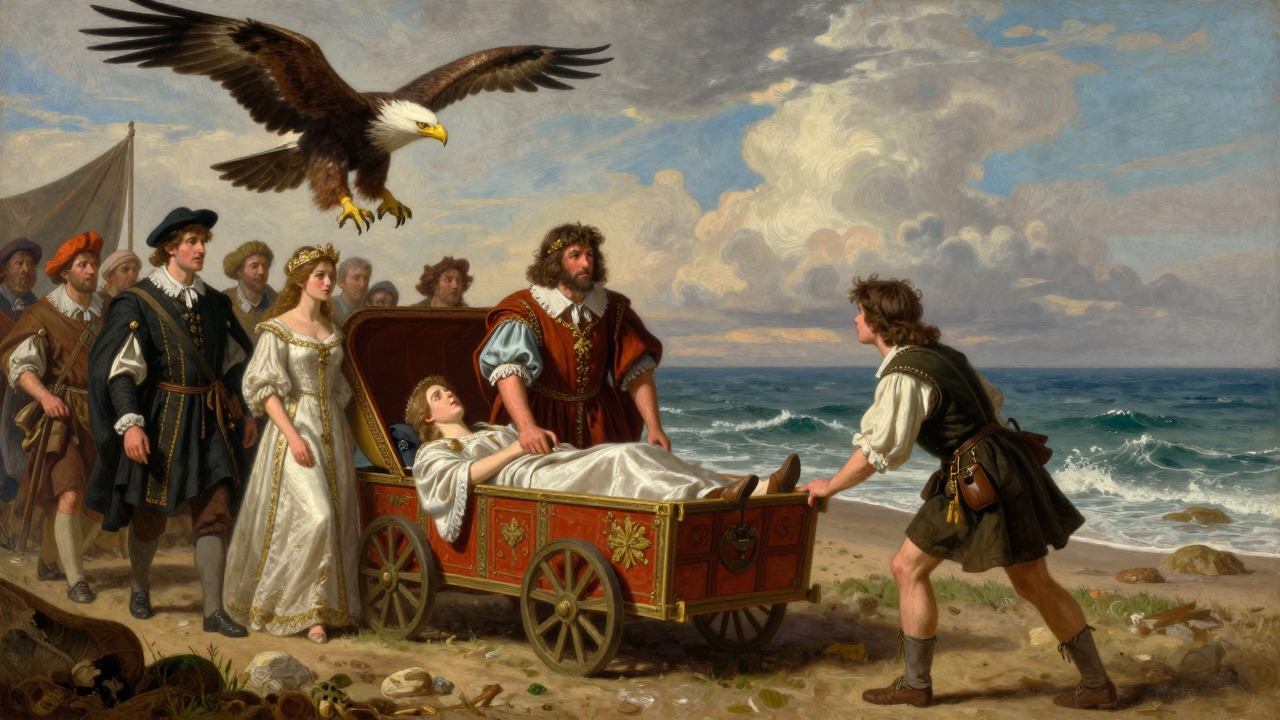
While Gulliver sleeps in his hammock, an eagle snatches the ring on top of his box and flies off. The eagle is pursued by others and drops the box into the sea. Gulliver awakens to find himself falling, then hitting the water. The box floats, and he remains inside, expecting death.
The Rescue
After several hours, the box is towed by a ship. The crew, amazed, saws a hole in the top and pulls Gulliver out. He is taken aboard the English ship Adventure, commanded by Captain Thomas Wilcocks. Gulliver, still disoriented, thinks the sailors are pygmies. The captain listens to his story and is convinced when Gulliver shows him the comb from the king's beard, the queen's ring, and other curiosities. They sail to England, arriving on June 3, 1706.
Return to England and Readaptation
The Homecoming
The Disorientation
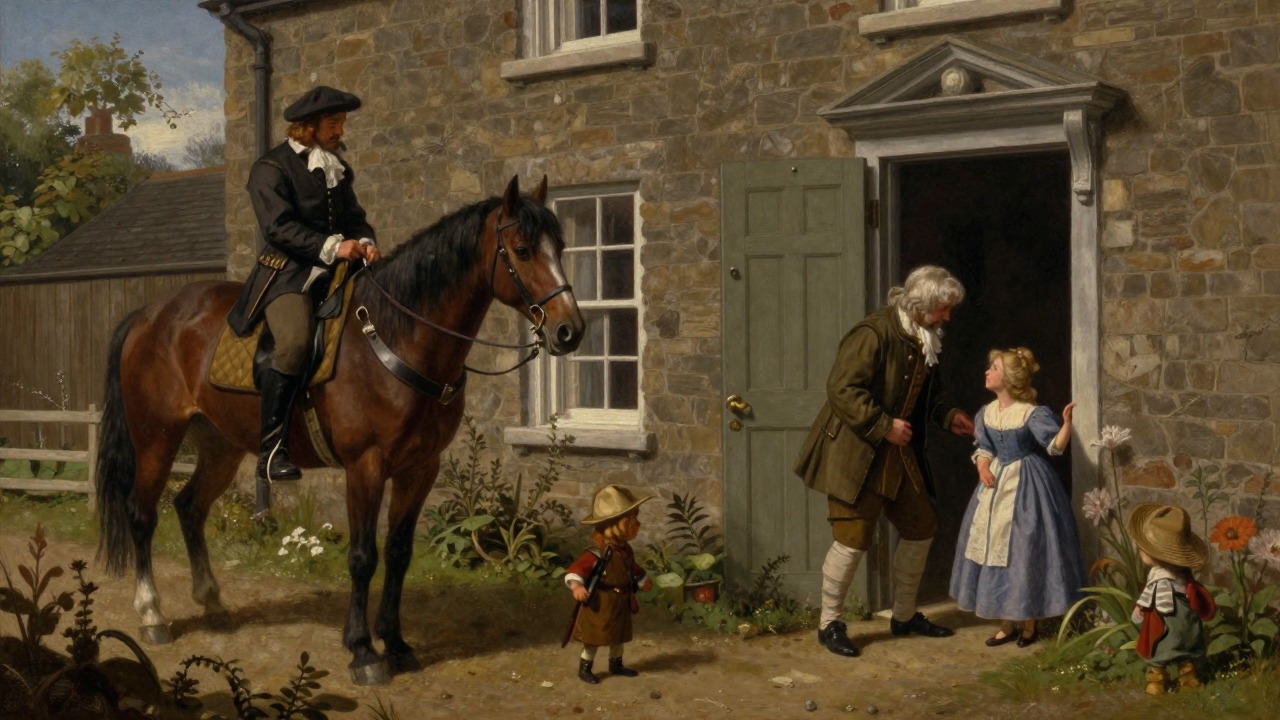
Gulliver hires a horse and guide and rides to his house in Redriff. On the way, he is afraid of trampling on travelers, and he bends down to enter his own door, thinking he is a giant. He sees his wife and daughter as pygmies and cannot believe they are so small. He tells his wife she has starved herself. His family thinks he has lost his wits.
The Gradual Recovery
After a little time, Gulliver and his family come to a right understanding. His wife protests that he should never go to sea again, but his evil destiny orders otherwise. He concludes the second part of his travels. The reader is left to wonder about his future voyages.
The Power of Habit
Gulliver reflects on the great power of habit and prejudice, having become so accustomed to the giants that he cannot see things as they are. This observation underscores the theme of relativity and the subjective nature of perception.
19 April 1703 to 16 June 1703
June 1703 to August 1703
17 August 1703 to 26 October 1703
October 1703, soon after arrival in Lorbrulgrud
late 1703 to early 1706
over several audiences in 1704-1705
late 1705 or early 1706
early June 1706
June 1706, after arrival
